Preveza
Benno
After our four weeks at sea, we treat ourselves to a little break in Preveza and try to relax a bit.
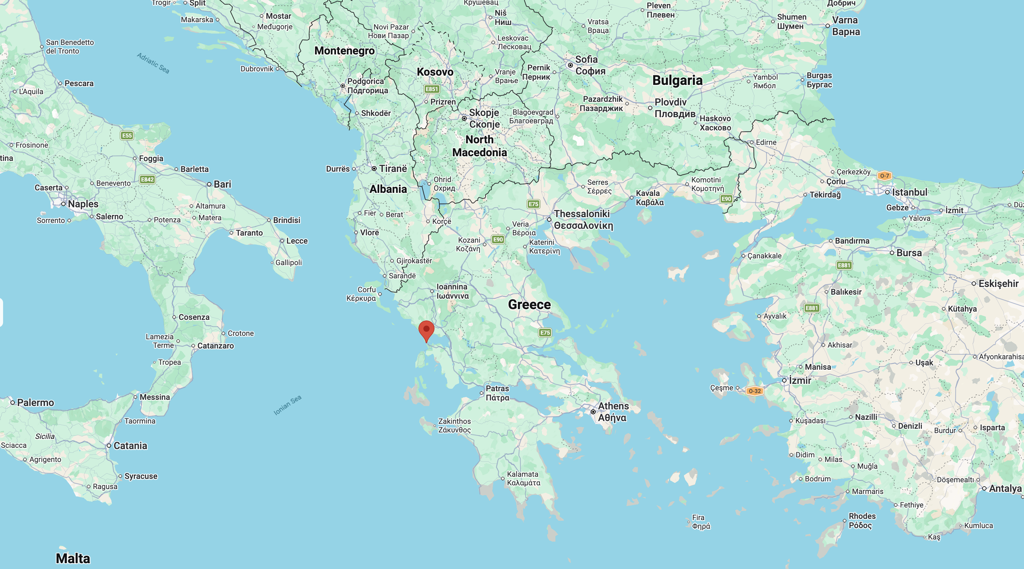
From Preveza, one controls the channel between the Ionian Sea and the Ambracian Gulf, making it an extremely strategic location. That is why it is home not only to the capital of the Preveza regional unit, but also to the highly impressive 2,000-year-old ruins of the Roman city of Nicopolis. This is where the future Roman emperor Augustus decisively defeated Cleopatra’s fleet.
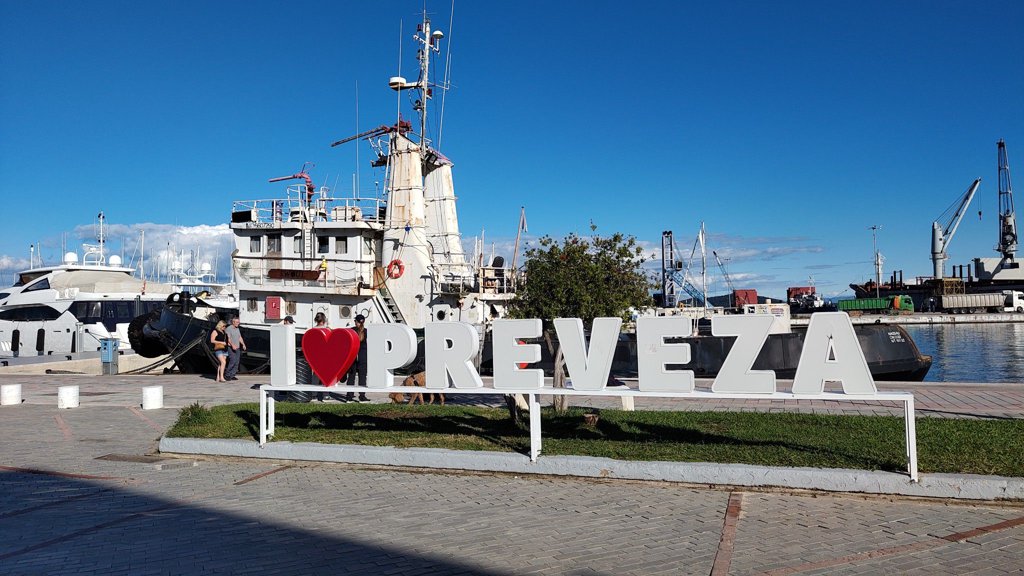
These days, Preveza is strategically well placed for another reason: charter sailors can reach almost any point in the Ionian Sea from here within a week. The Ionian Sea is one of Europe’s most important cruising grounds for charter sailors. In high season, Preveza is therefore like a beehive. But now the season is definitely over and calm has set in. Only locals, German pensioners and long-term cruisers remain. That makes it incredibly easy for us to make connections: pretty much anyone in technical outdoor gear is a long-term cruiser and always up for a chat. For example, the tugboat in the background is privately owned and home to an Englishwoman, an Italian man and two dogs. So there are people far crazier than us out there. For aspiring long-term cruisers, we’re pretty conventional.
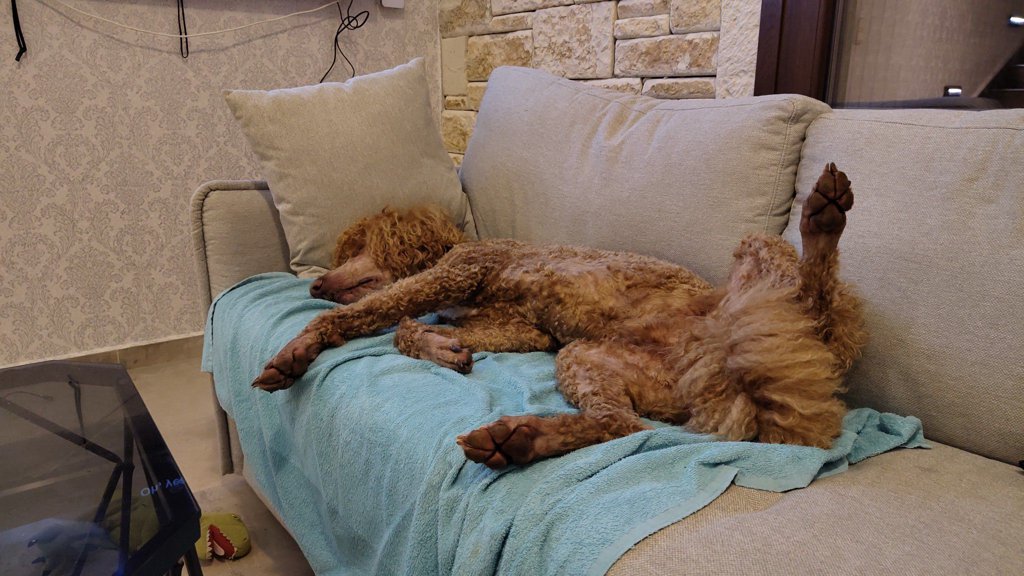
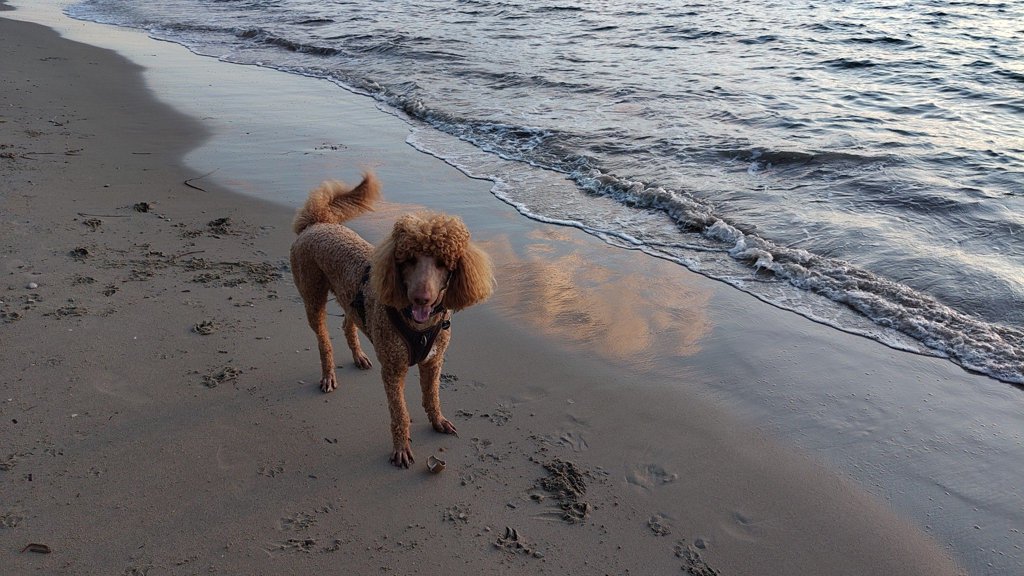
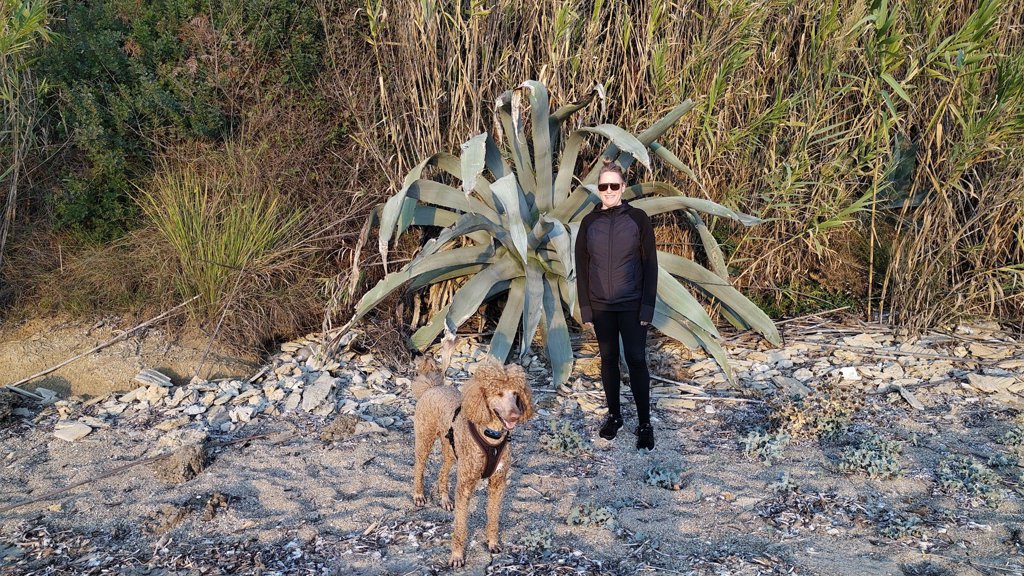
But mostly we just chill and indulge in Charlie’s favourite activity: playing on the beach. It is slowly becoming wintry here too, and good weather is increasingly alternating with rain and even storms.
Greece has a turbulent recent history that still resonates today. We visit the Monument of Zalongo, which commemorates an immensely tragic event.
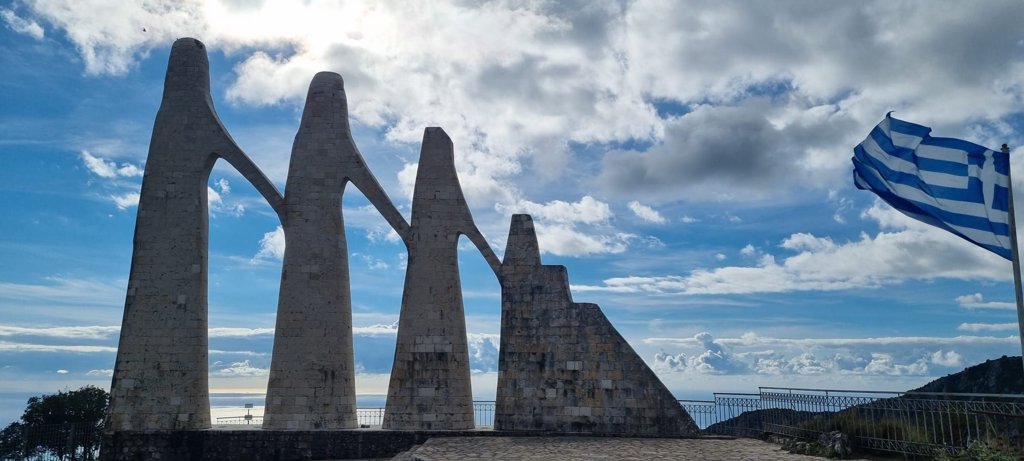
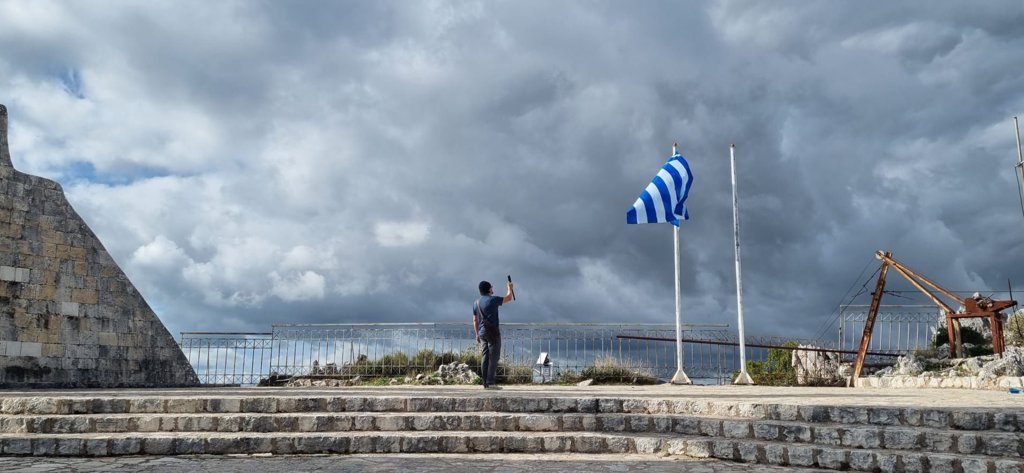
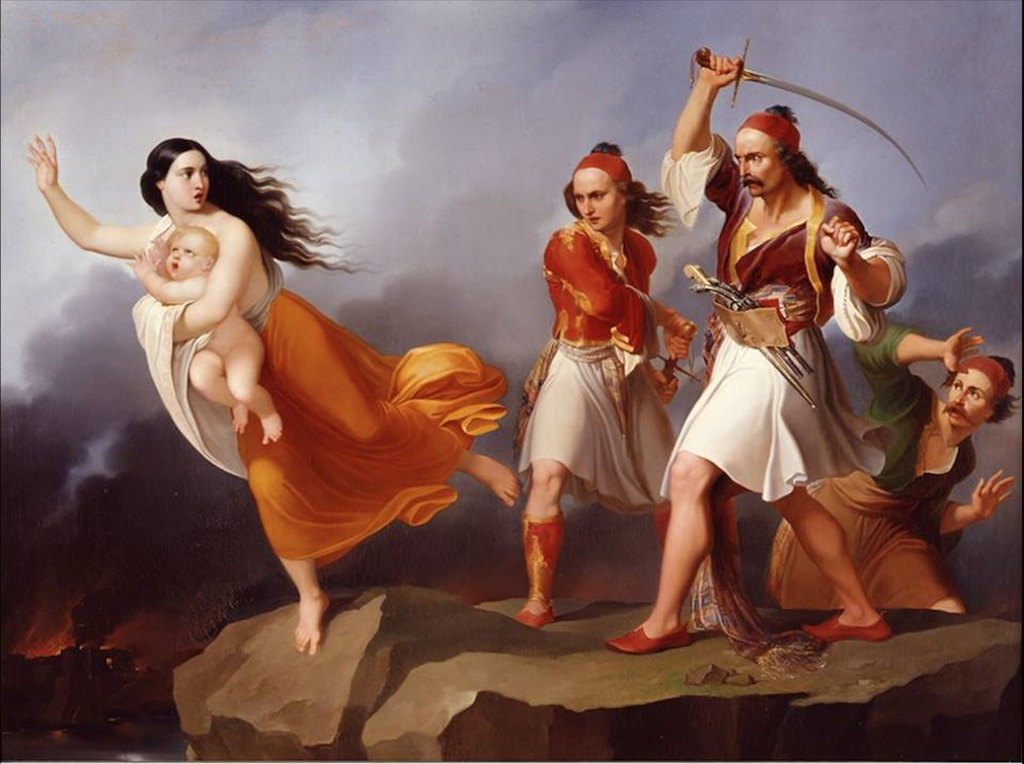
In 1803, women and children fled to the place where the monument now stands, escaping the advancing Ottoman troops. The site is high above a cliff. When the refugees realised their situation was hopeless, they threw all the children over the cliff to their deaths, then danced and jumped after them. They preferred to die rather than be raped and then sold into slavery.
Whether it really happened exactly like that is less clear. But it is a story deeply rooted in the national psyche, one that still keeps anger towards the Turks alive 200 years later. It does not help that Turkey denies all responsibility and is unwilling to confront its history. That behaviour only plays into the hands of nationalists and conspiracy theorists. So anyone wondering why tensions between Greece and Turkey keep flaring up even today need not be surprised.
It is no small matter that Greece and Turkey are NATO partners, meaning that in an emergency they would have to support one another and also operate shared military infrastructure. We visit the NATO base in Preveza on its open day and admire the radar aircraft stationed here. The main attraction, however, is Charly, as so often. People here really love animals. There are many stray dogs and cats, but most of them are healthy and well fed. Looking after these animals seems to be a shared community responsibility.
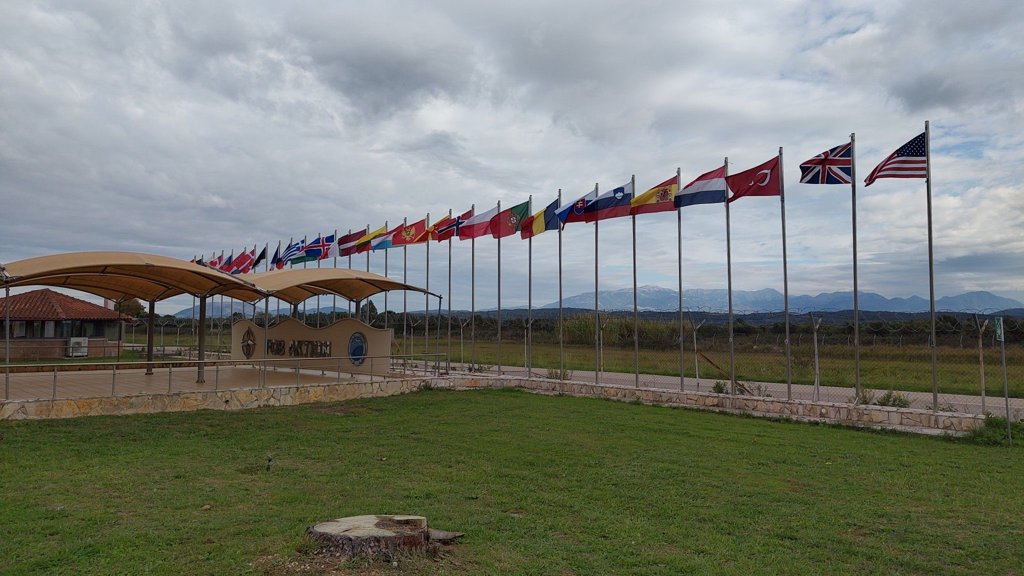
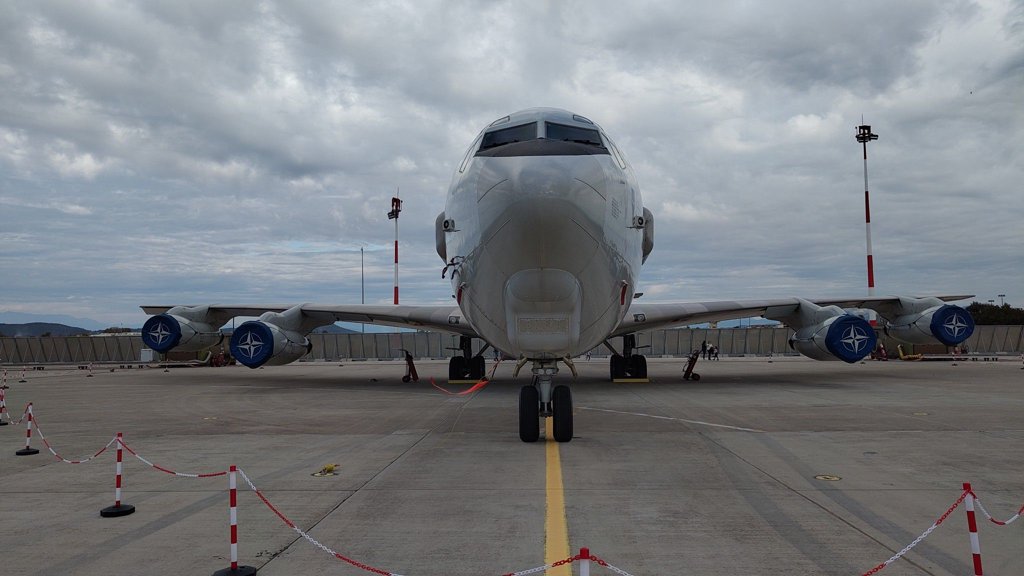
The highlight of my history lesson is Oxi Day on 28 October. Oxi means no. On this day, Greece celebrates having rejected Mussolini’s ultimatum in 1940. The result was an Italian invasion and, consequently, Greece’s entry into the Second World War.
The local youth march past the local elite in the parade and pay their respects. I think everyone takes part voluntarily and with pride. Still, this deference feels strange to me. You have to know that Greece is a country with an extraordinary amount of corruption, and the elite are correspondingly despised. People have come to terms with the situation and no longer get upset about everything. They put up with the harassment by authorities and police, harassment we too have already had the pleasure of experiencing. Someone tells me: fighting bureaucracy is like cutting off the head of a Hydra. They also tell me: if I see a Mercedes with tinted windows and Albanian plates, I should keep my distance, because those people can do whatever they want. No police officer will risk their life for €1,000 a month.
But enough of that, because we are not actually here for culture and political debates: in the harbour lies what may be our future boat, and we are waiting to inspect it thoroughly together with our expert. You’ll find out how that turns out next week.

*This blog post has been automatically translated by a Large Language Model.